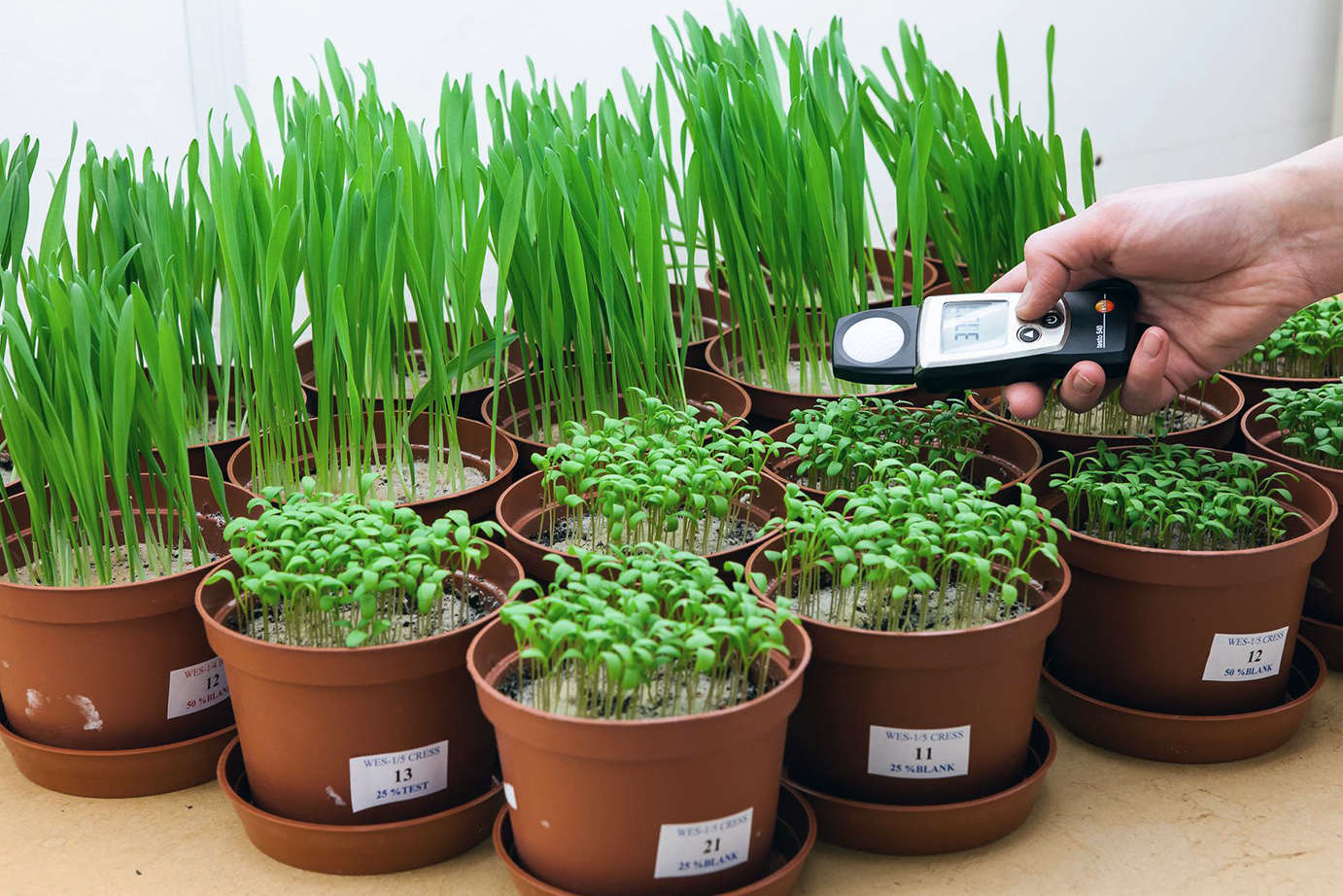
Environmental safety has become a critical consideration in the development and approval of chemicals, agrochemicals, and industrial products. Regulators, manufacturers, and researchers all share the responsibility of ensuring that substances released into the environment do not cause unintended harm to ecosystems. One of the established tools used to evaluate environmental impact is OECD 208 testing, a standardized method designed to assess the effects of substances on plant growth and development.
What OECD 208 Testing Is Designed to Measure
OECD 208 is an internationally recognized test guideline developed by the Organisation for Economic Co-operation and Development. It focuses on determining how chemicals affect terrestrial plants during their early growth stages. By observing seedling emergence and growth responses, this test helps identify potential risks that substances may pose to plant life when introduced into soil environments.
The guideline typically evaluates endpoints such as germination rate, survival, plant height, biomass, and visible signs of toxicity. These indicators provide valuable insights into whether a substance interferes with normal plant development, which is a key factor in understanding broader ecological effects.
Why Plant-Based Ecotoxicity Testing Matters
Most habitats on land are based on plants. Any disruption to plant health can ripple through food chains, affecting insects, animals, and ultimately human populations. Ecotoxicity assessment that includes plant testing ensures a more complete picture of environmental safety rather than focusing only on aquatic organisms or microorganisms.
By examining plant responses, regulators and developers can better predict long-term ecological consequences. This is particularly important for products such as pesticides, fertilizers, soil amendments, and industrial chemicals that may accumulate in terrestrial environments over time.
The Role of OECD 208 in Regulatory Compliance
OECD 208 testing plays a significant role in meeting regulatory requirements across multiple regions. Many environmental protection agencies rely on OECD guidelines because they provide harmonized, scientifically validated methods that support consistent decision-making worldwide.
Data generated from this test is often required for chemical registration, environmental risk assessment, and product approval processes. Because the guideline is widely accepted, results can be used across different jurisdictions, reducing the need for duplicate testing and supporting international trade while maintaining environmental safeguards.
How the Test Is Conducted
The testing process involves exposing seeds of selected plant species to varying concentrations of a test substance mixed into soil. Commonly used species may include crops and non-crop plants chosen for their sensitivity and relevance. Over a defined period, typically several weeks, researchers monitor growth patterns and compare treated plants to untreated controls.
Careful experimental design ensures that observed effects are linked to the test substance rather than environmental variables. Factors such as light, temperature, and watering are controlled to maintain consistency and reliability of results.
Supporting Sustainable Product Development
Beyond regulatory compliance, OECD 208 testing supports responsible innovation. By identifying potential environmental risks early in product development, companies can refine formulations, adjust application methods, or explore safer alternatives before products reach the market.
This proactive approach aligns with sustainability goals and corporate environmental responsibility initiatives. Products that demonstrate minimal ecological impact are more likely to gain regulatory approval and public trust, creating long-term value for both businesses and the environment.
Interpreting Results in a Broader Ecotoxicity Context
While OECD 208 provides valuable data on plant effects, it is typically used as part of a broader ecotoxicity assessment strategy. Results are often combined with data from aquatic toxicity tests, soil organism studies, and environmental fate analyses to form a comprehensive risk profile.
This integrated approach allows scientists and regulators to evaluate potential impacts across multiple levels of the ecosystem, ensuring that environmental protection decisions are based on robust and balanced evidence.
Conclusion
OECD 208 testing plays an essential role in modern ecotoxicity assessment by focusing on the health and development of terrestrial plants. Through standardized methods and internationally accepted guidelines, it helps regulators, researchers, and manufacturers evaluate environmental risks with confidence. As sustainability and environmental stewardship continue to shape product development, this testing framework remains a key component in protecting ecosystems while supporting innovation and regulatory compliance.