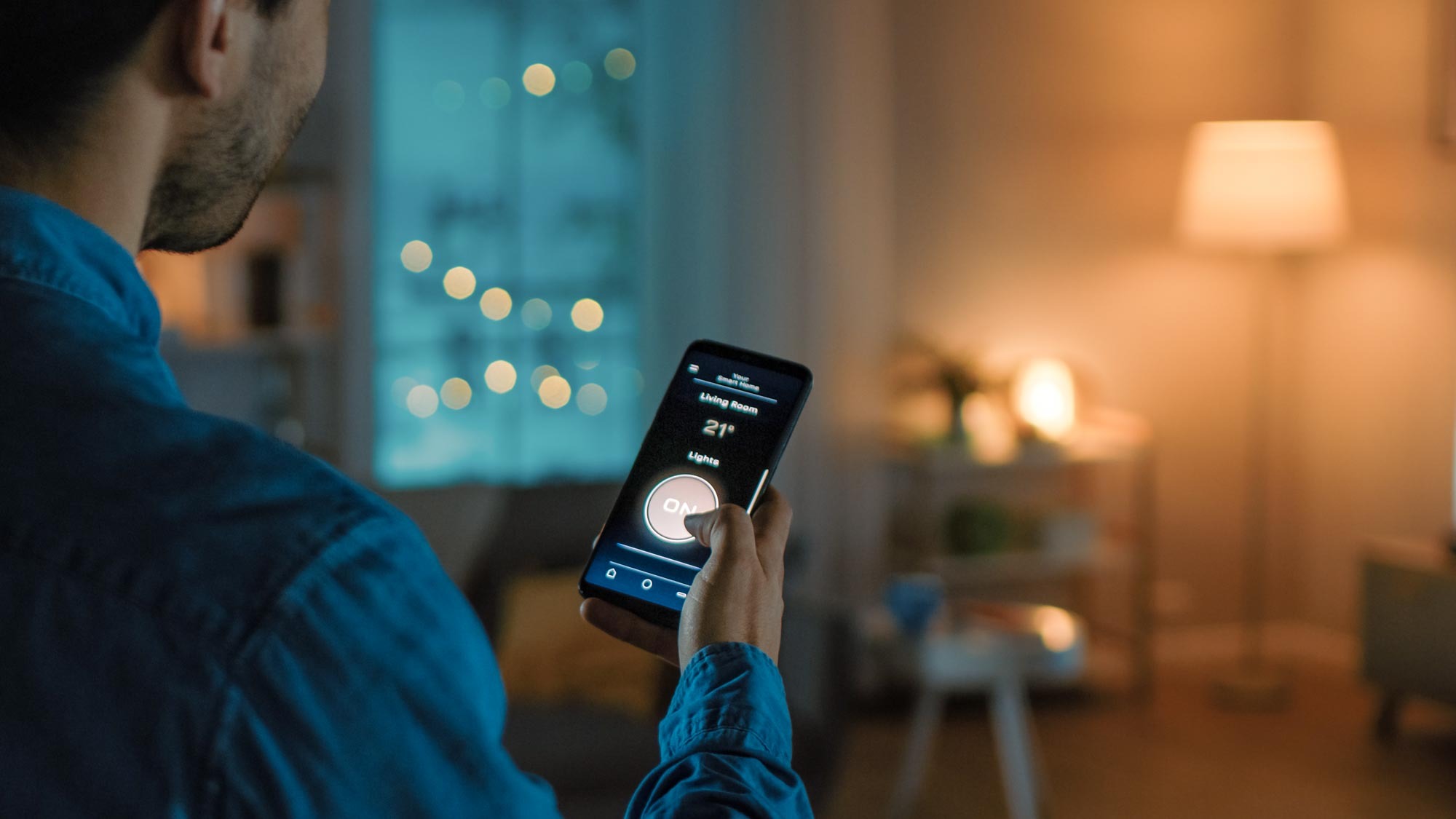
Smart devices have quietly transformed modern homes into interconnected ecosystems. From voice assistants and smart thermostats to connected security cameras and intelligent lighting systems, technology now plays a central role in how households function. While convenience and efficiency are obvious benefits, the deeper and often hidden effects of smart devices deserve closer examination. These technologies influence privacy, finances, family dynamics, and even broader economic trends.
A New Standard of Convenience
Smart homes are built on automation. Lights adjust automatically based on time of day, refrigerators track groceries, and thermostats learn temperature preferences. This automation saves time and reduces manual effort. Many homeowners appreciate the ability to control devices remotely through their smartphones, especially when managing security or energy usage.
Entertainment has also evolved within smart homes. Streaming platforms integrate seamlessly with smart TVs and voice assistants, changing how families consume media. Platforms such as pinayflix.xom reflect how digital entertainment adapts to connected households. Instead of scheduled programming, viewers now expect instant, personalized access to content across devices.
Data Collection and Privacy Concerns
Behind every smart device is a system collecting data. Voice assistants record commands to improve performance. Smart doorbells monitor movement. Fitness trackers gather health metrics. While these features enhance user experience, they also raise serious privacy concerns.
Many homeowners are unaware of how much personal information is stored in cloud systems. This data may include daily routines, shopping patterns, and even sleeping habits. Although companies promote secure encryption, data breaches remain a real possibility. The hidden impact of smart devices lies in how deeply they embed surveillance into daily life without users fully realizing it.
Financial Implications of Connected Living
Smart devices are not just one time purchases. Many require subscriptions for advanced features, cloud storage, or software updates. Over time, these recurring expenses add up. A fully connected home can involve multiple monthly service payments, from security monitoring to premium app features.
On a broader scale, the smart home industry contributes significantly to corporate growth. Public interest in technology companies often extends beyond their products to executive leadership and financial success. Discussions about ceo net worth frequently surface when analyzing the rapid expansion of smart home brands. These conversations reflect how profitable the connected home market has become.
Additionally, consumer purchasing decisions are sometimes influenced by industry coverage found in sources like latest australian business news, where technological innovation and company performance are regularly highlighted. The success of smart home companies demonstrates how domestic technology now drives major economic momentum.
Health and Lifestyle Effects
Smart devices can positively affect health and well being. Automated lighting can mimic natural daylight patterns, supporting better sleep cycles. Smart air purifiers monitor indoor air quality, while fitness devices encourage physical activity.
However, constant connectivity can also increase stress levels. Continuous notifications, alerts, and digital prompts may create a sense of urgency. The boundary between work and personal life becomes blurred when devices are always accessible. Modern homes may be smarter, but they are not always calmer.
Security and Cyber Risks
A connected home is only as secure as its weakest device. Cybersecurity threats are among the most significant hidden impacts of smart technology. If hackers access one poorly protected device, they may gain entry to the entire network.
Smart locks, cameras, and even appliances connected to WiFi can become vulnerable if updates are ignored or passwords are weak. Homeowners must now think about digital security alongside physical security. This shift represents a new responsibility that previous generations did not face.

Social and Behavioral Changes
Smart technology subtly changes human interaction within households. Automated reminders and digital assistants reduce the need for direct communication about daily tasks. While this may improve efficiency, it can also reduce natural conversations between family members.
Children raised in smart homes may develop strong digital skills but could become reliant on automation for simple decisions. The expectation that technology will provide instant solutions may impact patience and problem solving abilities. Adults, too, may lean heavily on virtual assistants for scheduling, reminders, and even decision making.
The Expanding Tech Ecosystem
Smart homes are part of a broader digital environment that includes startups and evolving platforms. Companies such as snap planets. illustrate how diverse technology ventures contribute to the expanding connected ecosystem. As innovation accelerates, homes become increasingly integrated into global data networks.
The financial scale of this transformation continues to grow. Analysts often evaluate ceo net worth when measuring the influence of leaders driving the smart home revolution. These figures symbolize the massive value generated by digital infrastructure and consumer demand for connected living.
Conclusion
Smart devices offer undeniable convenience and efficiency, but their hidden impacts reach far beyond simple automation. They reshape privacy expectations, introduce recurring financial commitments, alter family dynamics, and create new cybersecurity responsibilities. Modern homes are evolving into data driven environments connected to global technology systems.
As innovation continues, homeowners must approach smart technology with awareness and balance. Understanding both the benefits and the risks ensures that connected living enhances comfort without compromising privacy, security, or well being. The true impact of smart devices lies not only in what they can do, but in how thoughtfully we choose to use them.